Guanacaste is the province that introduced much of the world to Costa Rica. Stretching along the northern Pacific coast from the Nicaraguan border down to the Nicoya Peninsula, it offers the country's most reliable sunshine, its most accessible beaches, and a concentration of activities that can fill a week-long trip without repeating a single experience. Whether you are drawn to adrenaline, relaxation, wildlife, or food, Guanacaste delivers.
What makes the region particularly appealing for travelers is its convenience. The Daniel Oduber Quiros International Airport (LIR) in Liberia puts you within 30 to 90 minutes of most major beach towns and resorts, eliminating the four-to-five-hour drive from San Jose that was once the only option. You can land and be on the beach by lunch. Here is what to do once you get there.
Guanacaste is sometimes called the Gold Coast, a reference to both its sun-drenched climate and the golden hue of its dry tropical forests during summer months. It is the driest province in Costa Rica, receiving less annual rainfall than any other region, which makes it the safest bet for travelers who prioritize sunny weather.
But Guanacaste is far more than a beach destination. The province contains active volcanoes, national parks, mangrove estuaries, world-class surf breaks, and some of the most important sea turtle nesting sites in the eastern Pacific. Its cultural identity is distinct from the rest of Costa Rica, rooted in a ranching and farming tradition that gives the region a character all its own. The people here are proud Guanacastecos, and the food, music, and customs reflect centuries of independent identity.
From a practical standpoint, the infrastructure is well-developed without being overdeveloped. You will find excellent restaurants, well-maintained roads (by Costa Rican standards), reliable cell service, and a strong selection of accommodation ranging from boutique hotels to private luxury villas. It is the kind of place where you can have a genuine adventure in the morning and a world-class dinner that evening.
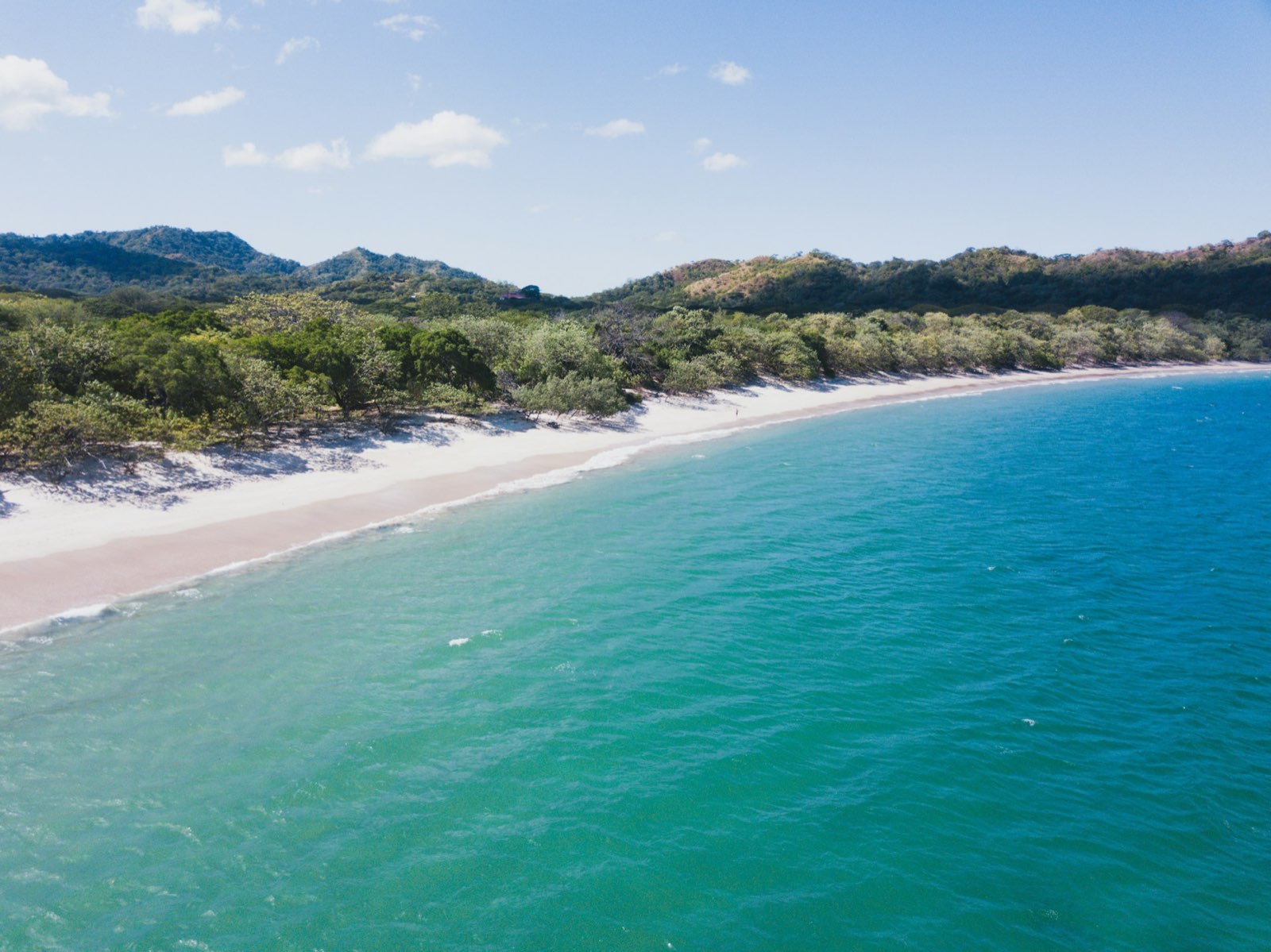
Guanacaste's coastline is studded with dozens of beaches, each with its own personality. Part of the joy of visiting this region is discovering which beach suits you best. You could easily spend an entire vacation doing nothing but moving from one stretch of sand to the next.
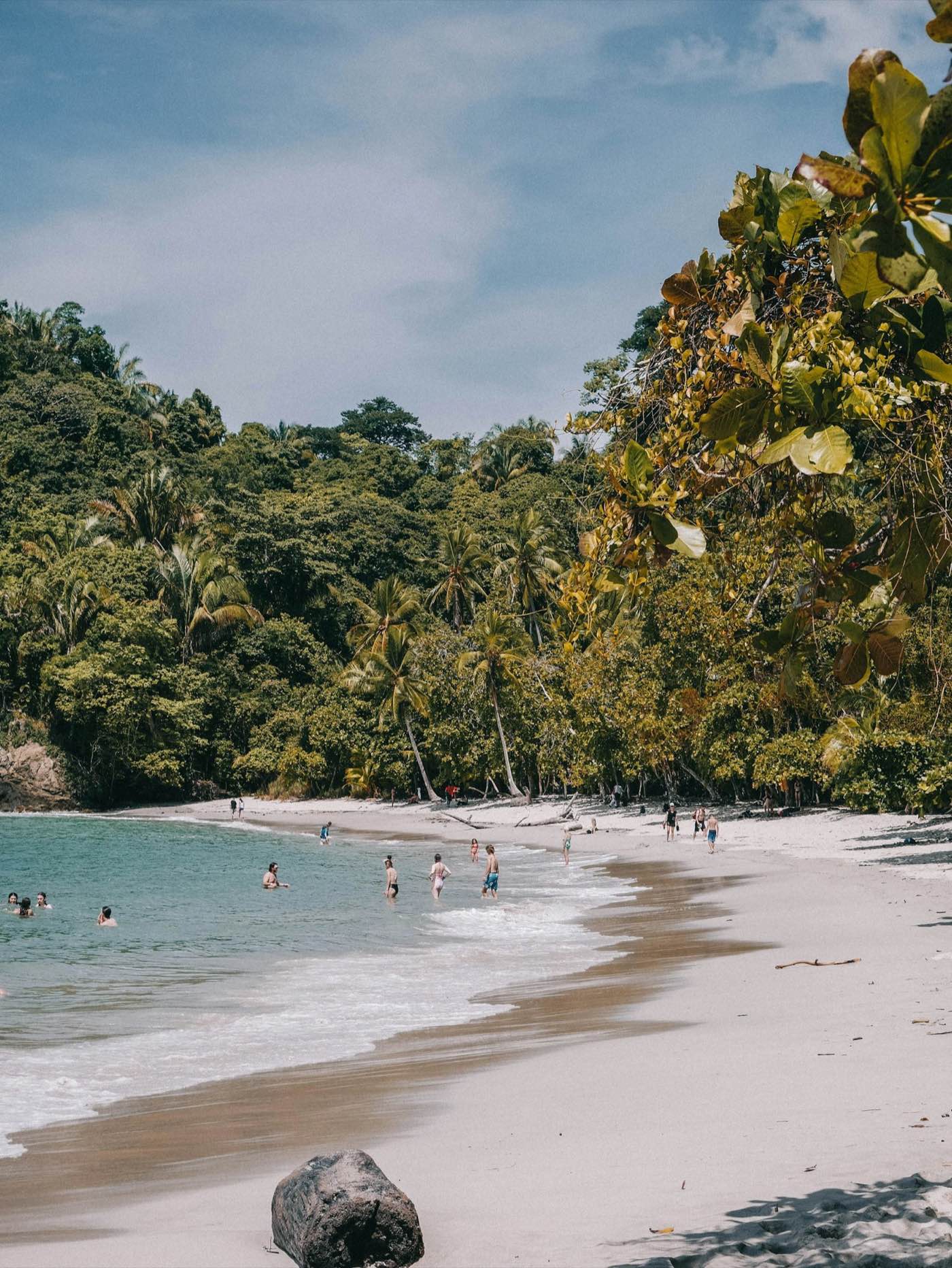
Playa Flamingo is one of the few white-sand beaches on Costa Rica's Pacific coast. The sand here is fine and pale, the water is calm and clear, and the setting feels distinctly upscale. Flamingo has a full-service marina, making it a hub for sportfishing and sailing excursions. The surrounding hillsides are dotted with luxury homes and villas, and the overall atmosphere is relaxed and refined. This is a beach for people who want beauty without the crowds.
Playa Conchal, just south of Flamingo, is one of Costa Rica's most unique beaches. The sand is composed almost entirely of tiny crushed shells, giving it a distinctive texture and a pinkish-white color. The water is exceptionally clear, making it one of the best snorkeling spots accessible directly from shore. Conchal is most easily reached by walking south along the beach from Brasilito, a small fishing village with affordable restaurants and local character.
Tamarindo is Guanacaste's most developed beach town. It has the widest selection of restaurants, bars, shops, and tour operators in the region. The beach itself is long and wide, with reliable surf breaks at both ends and calmer water in the middle. Tamarindo is ideal for travelers who want options and nightlife alongside their beach time. It can feel busy during peak season, but that energy is part of its appeal.
Playa Potrero is the antidote to Tamarindo's bustle. This quiet, dark-sand beach sits in a protected bay just north of Flamingo. The water is calm enough for small children to wade safely, and the town behind the beach is a genuine Costa Rican community rather than a tourist construction. A handful of excellent restaurants have opened here in recent years, but Potrero retains its quiet, unhurried character. It is one of the best-kept secrets on the Gold Coast.
Guanacaste is one of the best regions in Central America for surfing, and the variety of breaks means there is something for every skill level.
Tamarindo is where most beginners start. The beach break here is forgiving, with sandy bottom, gentle waves, and a long ride that gives new surfers time to find their balance. Dozens of surf schools operate along the beach, offering group and private lessons for all ages. If you have never stood on a surfboard before, this is one of the best places in the world to learn.
Playa Grande, just across the estuary from Tamarindo, is a different animal entirely. This long, exposed beach picks up more swell and produces more powerful waves. It is the go-to spot for intermediate and advanced surfers looking for a challenge. Playa Grande is also part of Las Baulas National Marine Park, which means the beach is undeveloped and the setting is pristine. Surfing here at sunset, with no buildings in sight and pelicans diving into the lineup, is a quintessential Costa Rica experience.
Beyond surfing, Guanacaste offers excellent stand-up paddleboarding in the calm waters of Potrero Bay and the Tamarindo estuary, where you can glide past mangroves and spot herons, crocodiles, and rays. Snorkeling is best at the Catalina Islands, a group of rocky islets about an hour by boat from Flamingo or Playas del Coco. The islands are home to giant manta rays, white-tip reef sharks, sea turtles, and colorful reef fish. During the right season, visibility can exceed 60 feet.
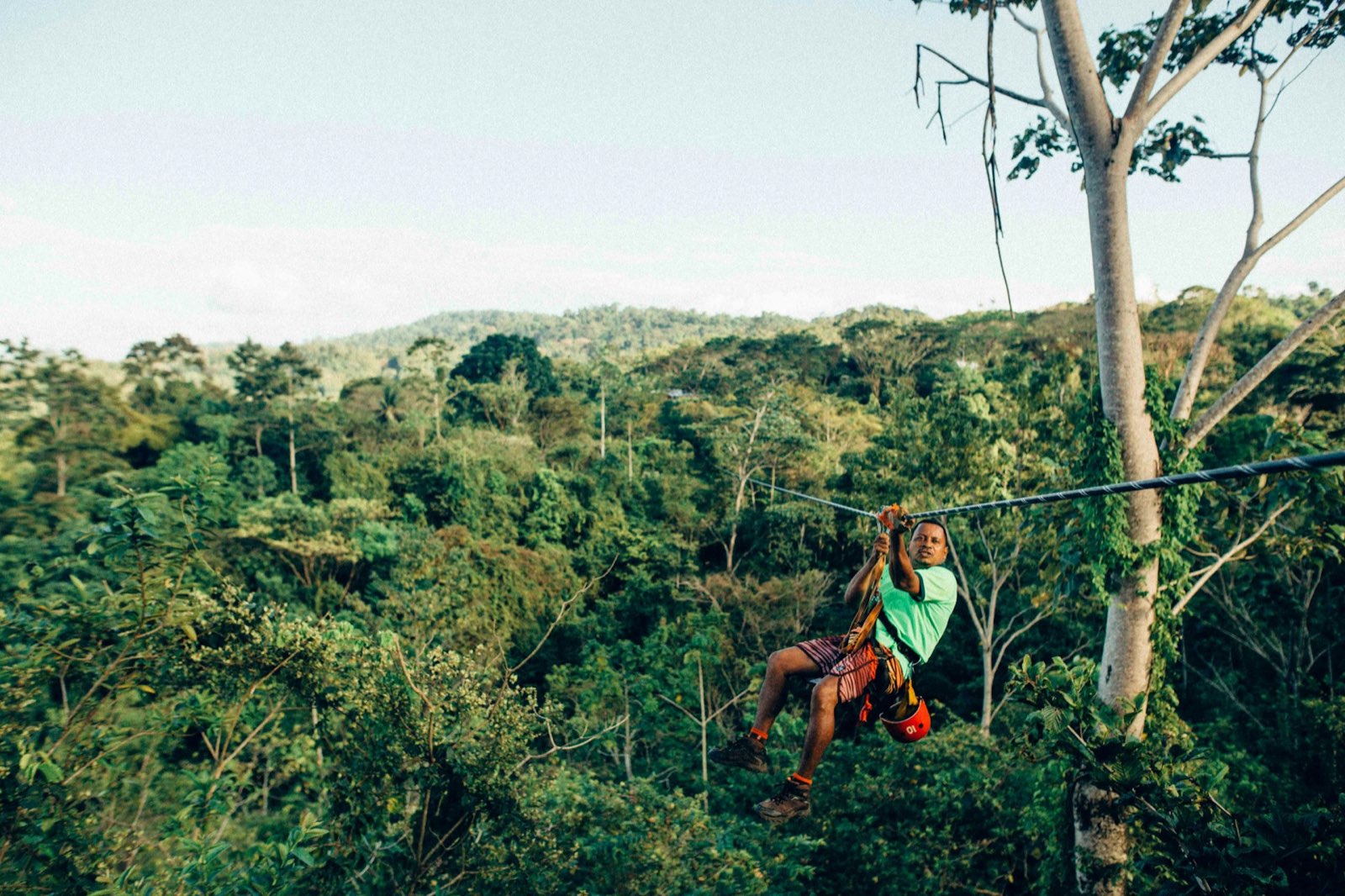
Costa Rica essentially invented the modern zip-line canopy tour, and Guanacaste is one of the best places to experience it. The concept is simple: a series of steel cables strung between platforms high in the forest canopy, allowing you to fly from tree to tree hundreds of feet above the ground. The reality is exhilarating.
The most renowned canopy experience in the region is at Rincon de la Vieja, where several operators have built courses through the dry tropical forest on the flanks of the volcano. Some courses include hanging bridges, rappelling stations, and Tarzan swings in addition to the zip lines themselves. The forest here is home to howler monkeys, coatis, and hundreds of bird species, so the ride doubles as a wildlife viewing opportunity.
For a more dramatic setting, consider a day trip to Monteverde, about three hours from the Guanacaste coast. The cloud forest canopy here is denser and mistier, and some of the zip-line courses are among the longest in Latin America. The Monteverde experience combines the adrenaline of the zip line with the almost mystical atmosphere of a cloud forest, where orchids cling to every branch and quetzals flash through the mist.
Most canopy tours are suitable for ages eight and up and require no prior experience. Operators provide all equipment and thorough safety briefings. It is one of the most popular family activities in Costa Rica for good reason.
Guanacaste sits on the Pacific Ring of Fire, and the province's volcanic landscape provides some of its most memorable experiences. Rincon de la Vieja National Park is the standout, protecting an active volcano and surrounding forest that together create a landscape of boiling mud pots, steaming fumaroles, volcanic hot springs, and waterfalls.
The Las Pailas trail is the park's most popular hike, a roughly three-mile loop that winds past bubbling mud pools, a miniature volcano spurting sulfurous mud, and natural steam vents emerging from the earth. The trail is well-marked and manageable for most fitness levels. It feels like walking through a geology textbook come to life.
After hiking, the natural hot springs outside the park offer a perfect way to unwind. Several properties along the road to the park have developed their own hot spring pools fed by geothermally heated water. Temperatures vary from pool to pool, and the mineral-rich water is said to have therapeutic properties. Soaking in a volcanic hot spring surrounded by tropical forest, with the sound of howler monkeys in the canopy above, is one of those moments that stays with you long after you return home.
For those seeking a more challenging hike, the summit trail to the crater of Rincon de la Vieja is an all-day endeavor that rewards with panoramic views of both the Pacific and, on clear days, Lake Nicaragua to the north.
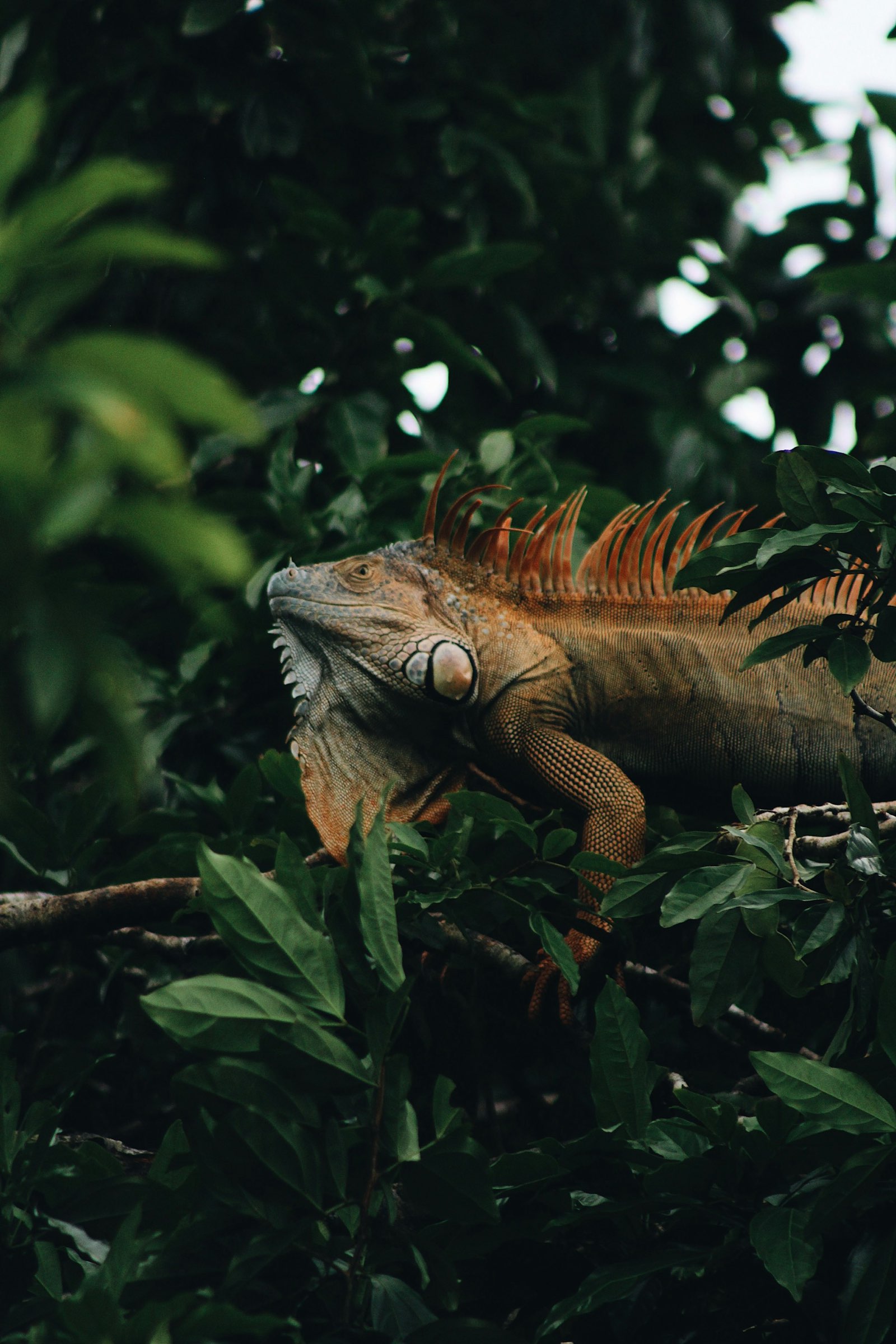
You do not need to seek out wildlife in Guanacaste. It finds you. Howler monkeys are the region's most vocal residents, and their deep, resonant calls carry for miles through the forest. You will almost certainly hear them before you see them, but once you look up, they are hard to miss: large, dark monkeys moving deliberately through the canopy, usually in family groups of six to twelve.
Scarlet macaws are increasingly common in Guanacaste, thanks to decades of conservation work. These enormous, brilliantly colored parrots fly in pairs, their red, blue, and yellow plumage unmistakable against the green forest or blue sky. Seeing a pair of macaws sail overhead never gets old, no matter how many times it happens.
Sea turtles nest at several Guanacaste beaches, most notably Playa Grande. Leatherback turtles, the largest sea turtles on earth, arrive between October and March to lay their eggs. Guided nighttime tours, conducted under strict conservation protocols, allow visitors to witness this ancient ritual without disturbing the animals. It is a profoundly moving experience, watching a thousand-pound turtle haul herself up the beach to nest under the stars.
Whale watching is possible from July through October, when humpback whales from the Southern Hemisphere pass through the waters off the Guanacaste coast. Boat tours depart from Flamingo, Tamarindo, and Playas del Coco, and sightings during peak season are highly reliable.
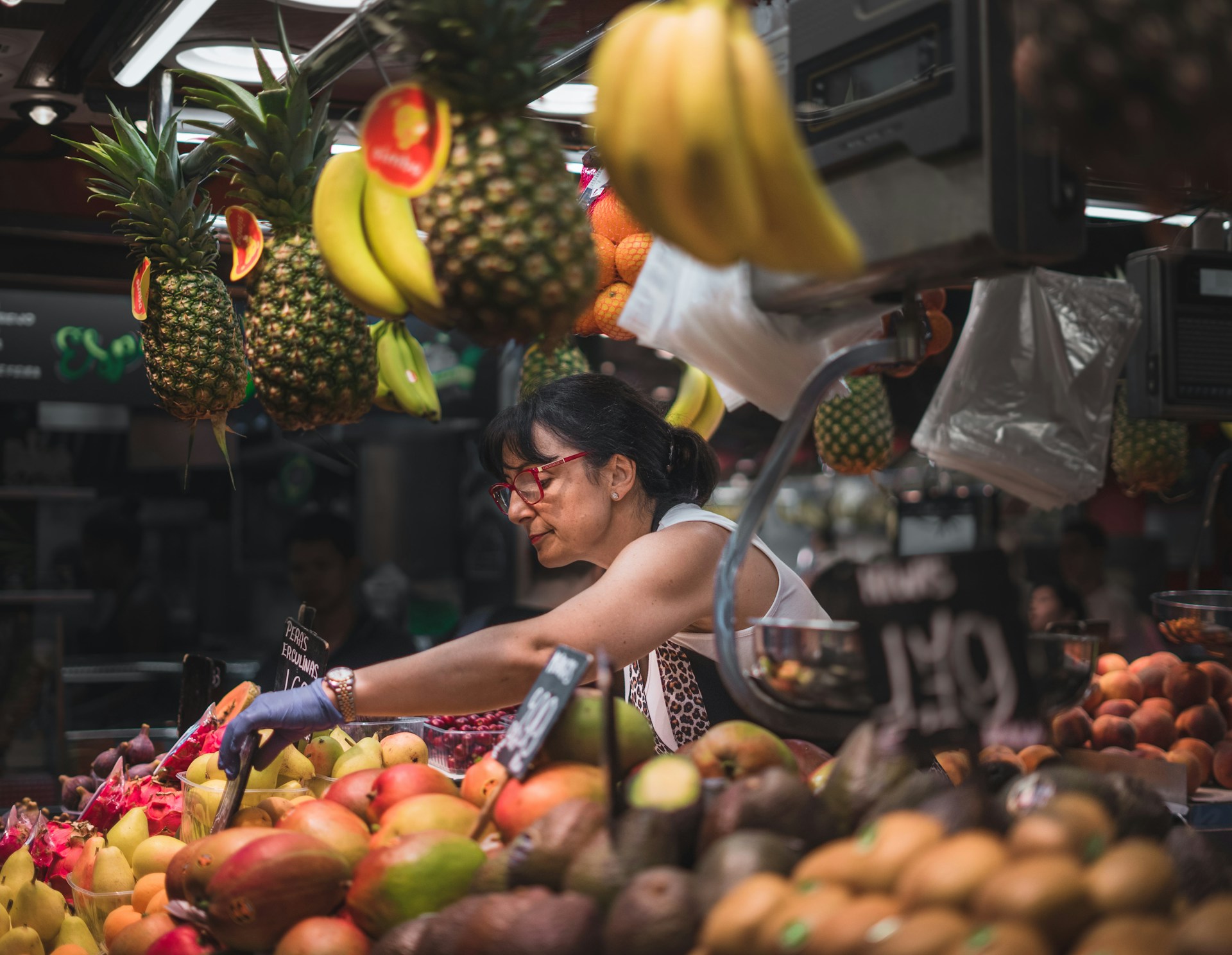
Guanacaste's food scene has matured significantly in recent years, evolving from basic tourist fare into a genuine culinary destination. The foundation is Costa Rican: gallo pinto (rice and beans), ceviche, fresh-caught fish, plantains, and tropical fruits. But a wave of talented chefs, both local and international, has elevated the region's dining far beyond the basics.
Local sodas (small, family-run restaurants) remain the best way to eat authentic Costa Rican food at modest prices. A typical soda lunch might include a casado, a plate of rice, beans, salad, plantains, and your choice of grilled fish, chicken, or beef, for under ten dollars. The food is simple, fresh, and deeply satisfying. Every town has at least one soda worth finding.
Fresh seafood is the highlight of coastal Guanacaste dining. Mahi-mahi, tuna, snapper, and shrimp are caught daily and appear on menus within hours. Ceviche here is made with fish so fresh it barely needs the lime juice. Many of the better restaurants source directly from local fishermen, and the difference in quality is noticeable.
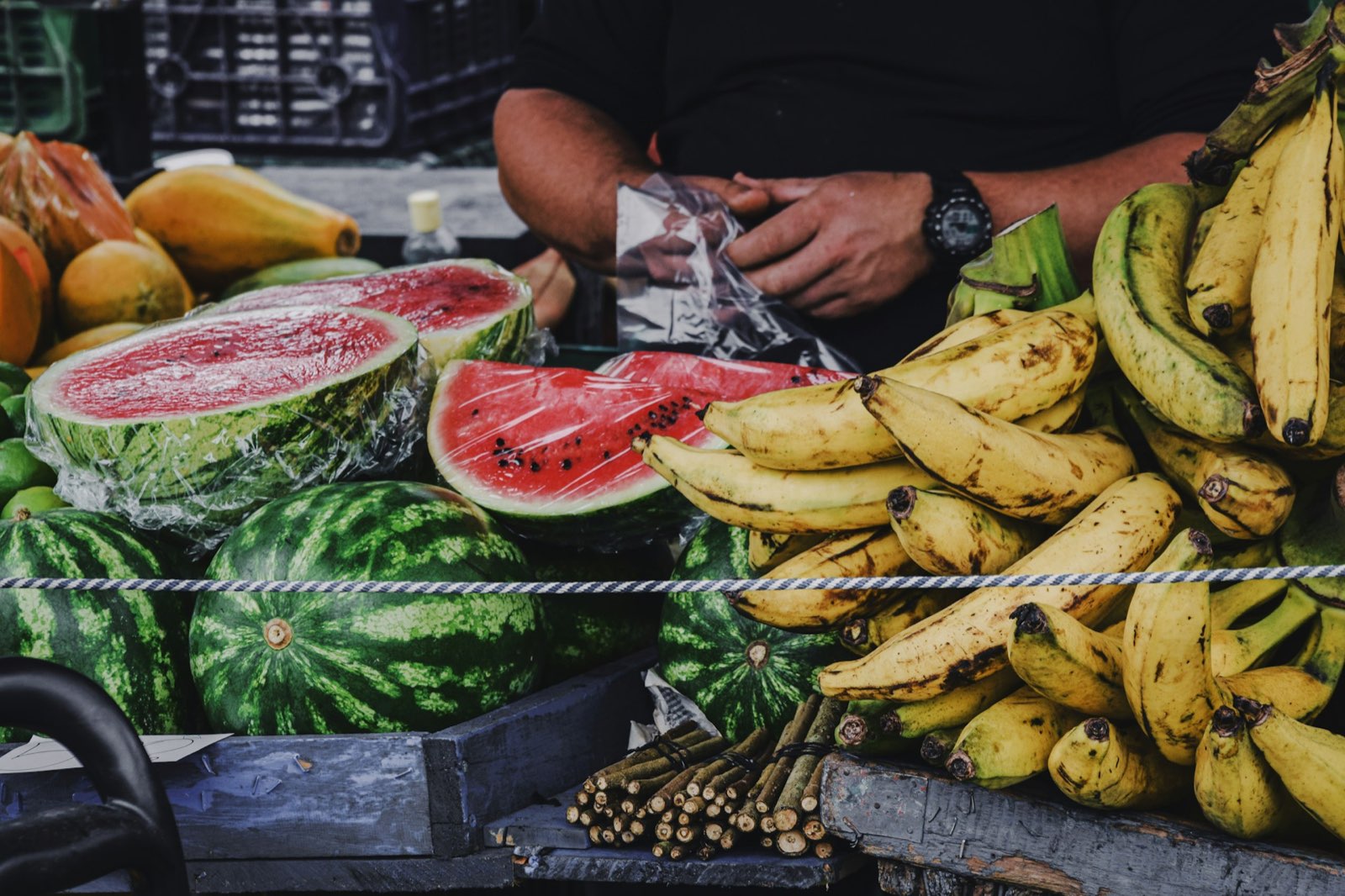
Farm-to-table restaurants have become a defining feature of the region's culinary identity. Several restaurants in the Flamingo, Tamarindo, and Potrero areas work directly with local farms, sourcing organic produce, free-range meats, and artisanal cheeses. The result is food that tastes distinctly of the place where it was grown, prepared with a level of care and creativity that rivals major food cities.
For a truly special evening, consider booking a private chef experience. Having a professional chef come to your villa to prepare a multi-course meal using local ingredients is one of the most memorable ways to dine in Guanacaste. It is intimate, personalized, and eliminates the need to drive after a long dinner. Explore our curated experiences to learn more about private dining options available to our guests.
While Guanacaste itself offers more than enough to fill any vacation, its location makes it an excellent base for day trips to some of Costa Rica's other legendary destinations.
Monteverde Cloud Forest is approximately three hours from the Guanacaste coast, reachable via a scenic drive that climbs from sea level into the misty highlands. The cloud forest is one of the most biodiverse places on the planet, home to the resplendent quetzal, glass frogs, and over 500 species of orchid. A guided walk through the reserve, combined with a canopy tour, makes for a full and unforgettable day.
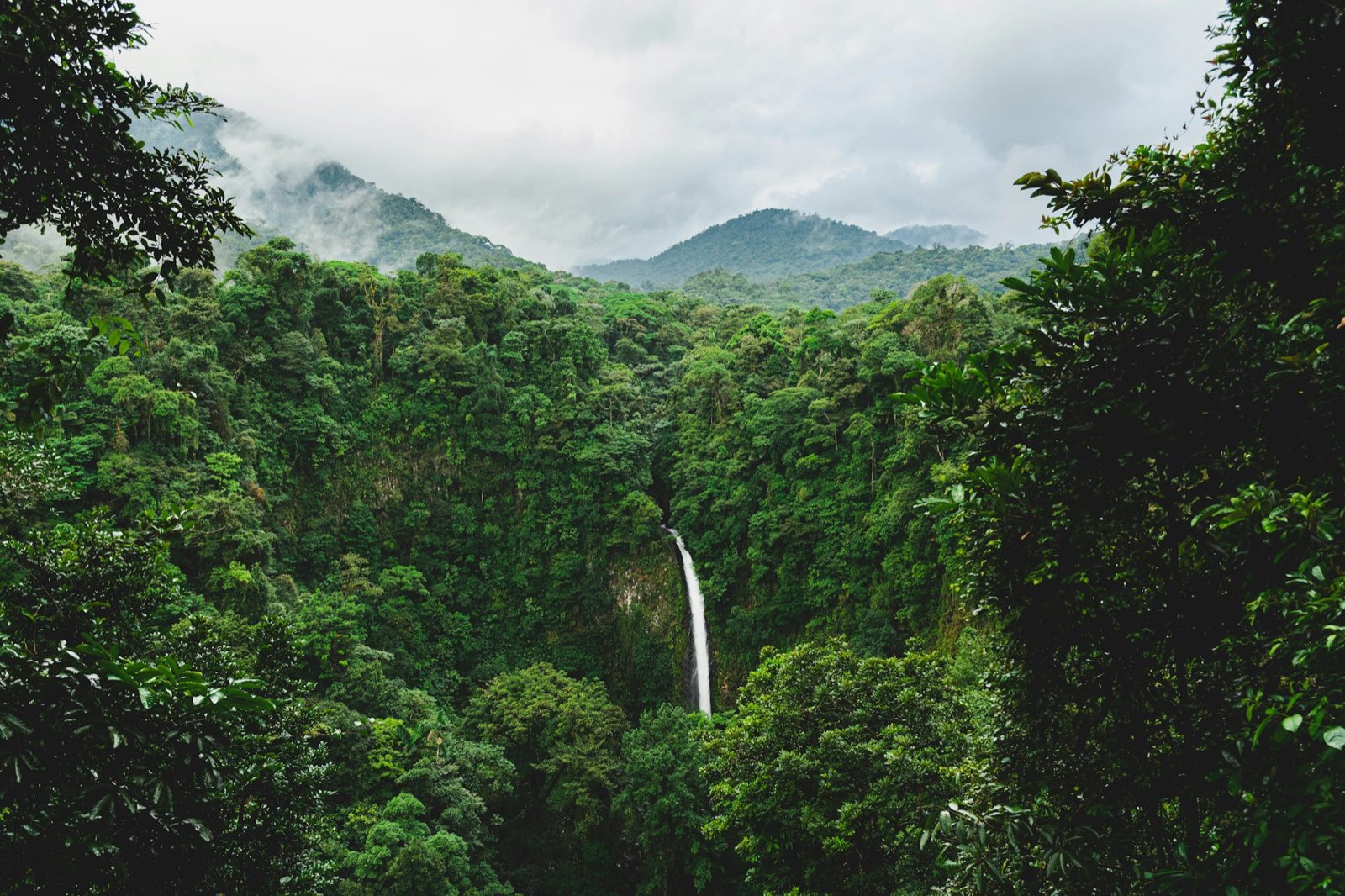
Arenal Volcano and La Fortuna are about three to four hours from the northern Guanacaste coast. The drive passes through open ranch country before descending into the lush lowlands surrounding the perfectly conical Arenal Volcano. La Fortuna offers volcanic hot springs, waterfall hikes, and hanging bridge walks through the rainforest. It is ambitious as a day trip but doable, especially if you leave early.
Gulf of Papagayo, closer to home, is accessible by boat from several Guanacaste marinas. This sheltered gulf offers calm, warm water perfect for snorkeling, kayaking, and swimming. Several secluded beaches within the gulf are only reachable by water, giving you a private-island feeling without the private-island price tag.
Where you base yourself in Guanacaste shapes the character of your entire trip. Staying in a central location like Flamingo or Potrero gives you easy access to multiple beaches, restaurants, and tour departure points without the bustle of Tamarindo. Being slightly removed from the main tourist strip also means quieter mornings, darker night skies, and a more authentic sense of place.
A private villa or luxury vacation rental offers advantages that hotels simply cannot match, particularly for families and groups. You get space to spread out, a full kitchen for casual meals, a private pool for those lazy afternoons between adventures, and the freedom to set your own schedule without worrying about restaurant reservations or hotel buffet times.
At Marquis Stays, our properties in Guanacaste are selected specifically for their quality, location, and ability to serve as a true home base for exploring the region. Each property comes with local knowledge, concierge support, and the kind of thoughtful details that turn a good trip into a great one. Browse our luxury properties to find the right fit for your Guanacaste adventure.
However you choose to spend your time, Guanacaste rewards curiosity. The region is large enough to surprise you and compact enough to explore thoroughly. Go surf in the morning, soak in hot springs in the afternoon, and eat fresh ceviche at sunset. That is what the Gold Coast is all about.